T&A Construction · Pawling, NY
Need excavation help?
What Is Vacuum Excavation and Why Does It Matter for Your Utility Project?
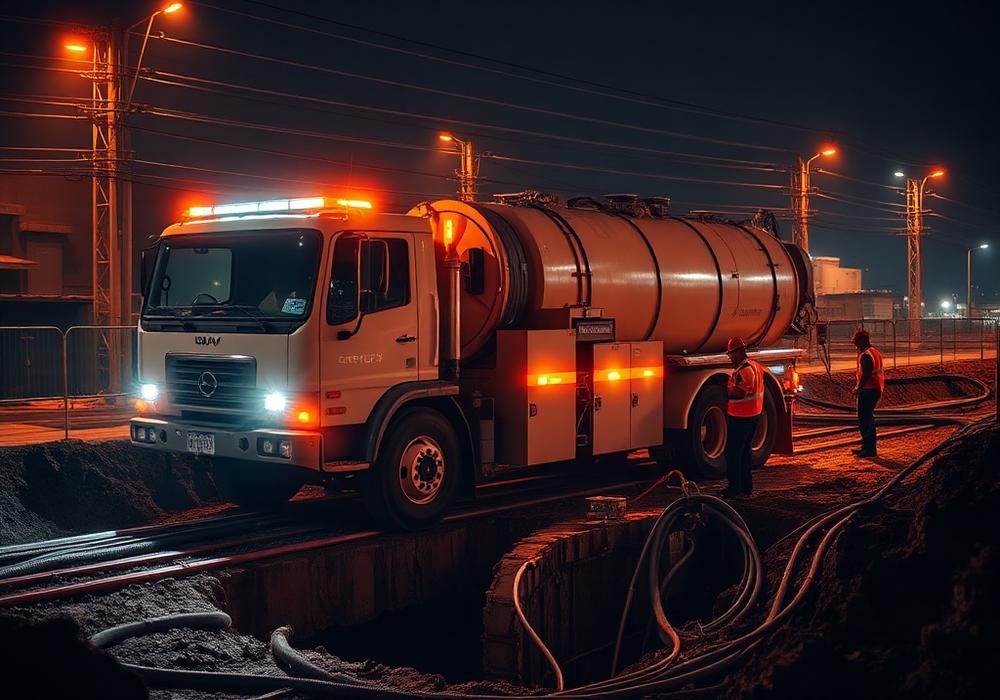
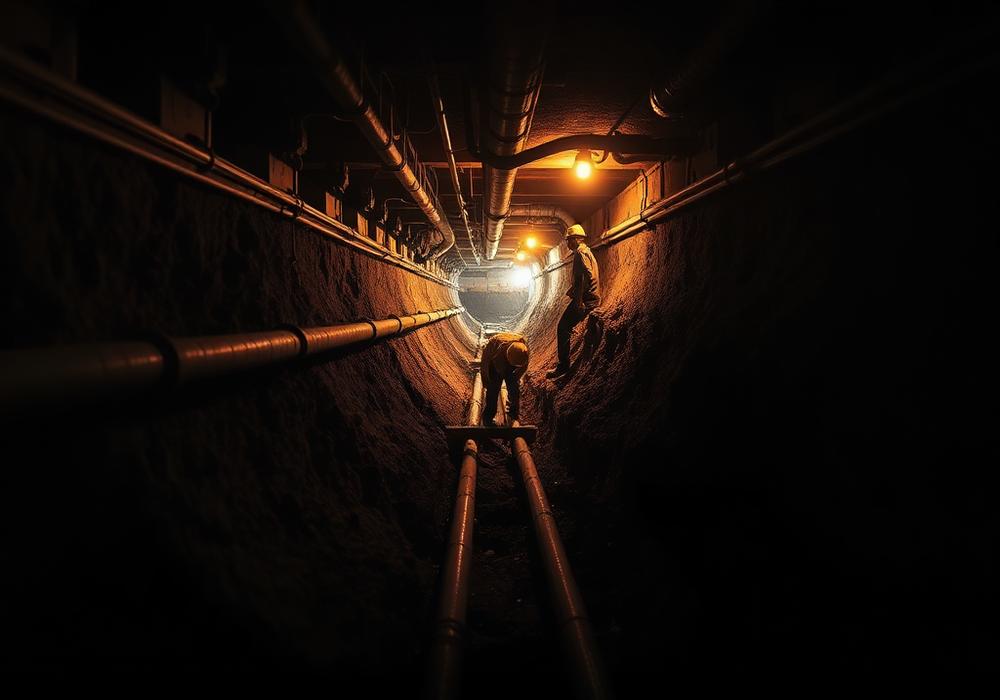
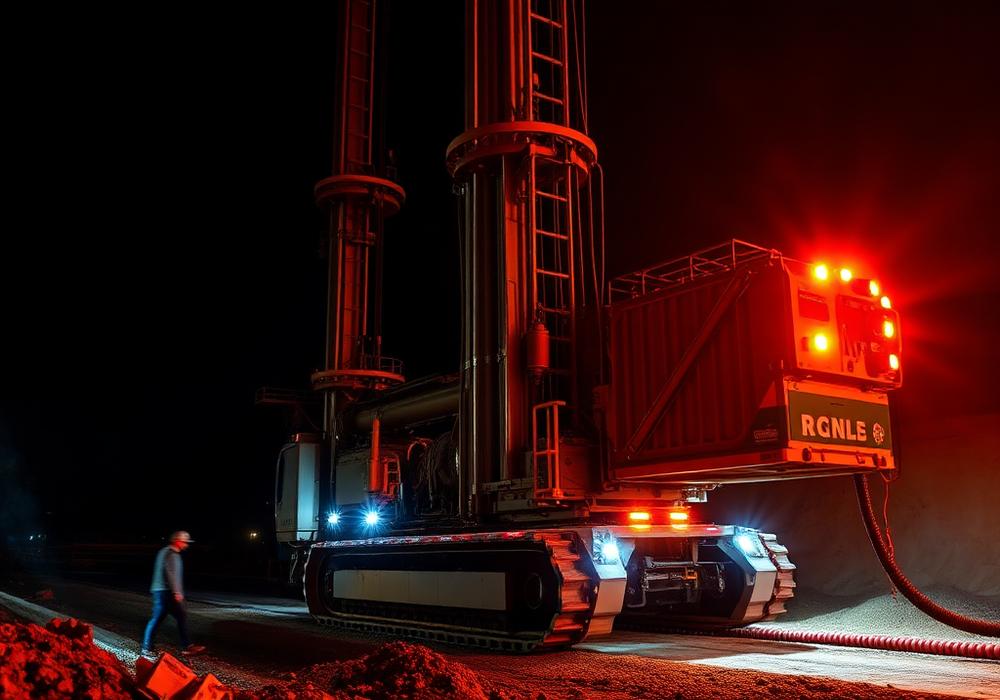
Vacuum excavation is a non-destructive way to dig. It uses pressurized air or water along with an industrial vacuum to break up soil and lift it into a debris tank. The result is a clean, precise hole that exposes underground utilities like gas, water, fiber, and electric without the risk of strikes from a backhoe bucket or hand tools.
For utility projects in Pawling, Poughkeepsie, and across the Hudson Valley, that precision matters. A single damaged line can shut down a job site, trigger penalties from the utility owner, and create a serious safety incident.
How Vacuum Excavation Works
The process is simple in concept and powerful in practice. A crew marks the dig area after an 811 locate, then uses either an air lance or a hydro nozzle to loosen soil. A vacuum hose immediately removes the spoil into a tank on the truck. The operator sees the utility as soon as it is exposed and can stop within an inch.
- Step 1: Call 811 and complete utility locates before any dig.
- Step 2: Lay down surface protection for lawns, sidewalks, and pavement.
- Step 3: Use air or hydro tooling to break up soil in a controlled cone.
- Step 4: Vacuum removes spoil into the tank, and the utility is visually verified.
- Step 5: Backfill the hole with the same spoil or flowable fill, then restore the surface.
Need vacuum excavation in Dutchess County? Call T&A at (845) 803-9550 for a free, no-obligation quote.
Call NowWhy It Matters for Utility Work
Traditional digging with a bucket or trencher cannot see what is underground. Even with accurate locate marks, paint and flags only show a corridor and do not give you exact depth. Vacuum excavation gives crews eyes on the line, which is why utility owners, municipal engineers, and DOT inspectors increasingly require it for pothole inspections, daylighting, and utility crossings.
If you cannot see it, you can hit it. Vacuum excavation removes the guesswork.
Common Use Cases
- Potholing to verify depth and alignment before HDD or trenching.
- Daylighting utilities at congested intersections.
- Slot trenching for fiber or conduit installs with minimal restoration.
- Exposing valve boxes, manholes, and tree roots without damage.
Why Dutchess County Owners Choose T&A
T&A Construction and Vacuum Excavation has spent over seven years digging in and around Pawling, Millbrook, Beacon, and the rest of Dutchess County. We bring the right truck, a trained crew, and a safety-first process to every job, whether it is a single pothole or a multi-week utility installation.
Frequently Asked Questions
Is vacuum excavation safe near gas lines?
Yes. Vacuum excavation is the industry-preferred method for exposing gas lines because it removes soil without striking the pipe. Many gas utilities require it for any work inside the tolerance zone of a marked line.
How deep can vacuum excavation go?
Production work typically reaches 10 to 15 feet. With the right truck and extensions, we can pothole well past 20 feet when the project calls for it.
Do I need vacuum excavation if I already called 811?
811 locate marks show a corridor, not a guarantee of exact location or depth. Vacuum excavation is how you verify what is actually there before you mechanically dig.
Written by the T&A Construction Team
Serving Pawling, NY and Dutchess County for over 7 years with vacuum excavation and full-service construction.