T&A Construction · Pawling, NY
Need excavation help?
Vacuum Excavation vs. Traditional Digging: Which Is Right for Your Project?
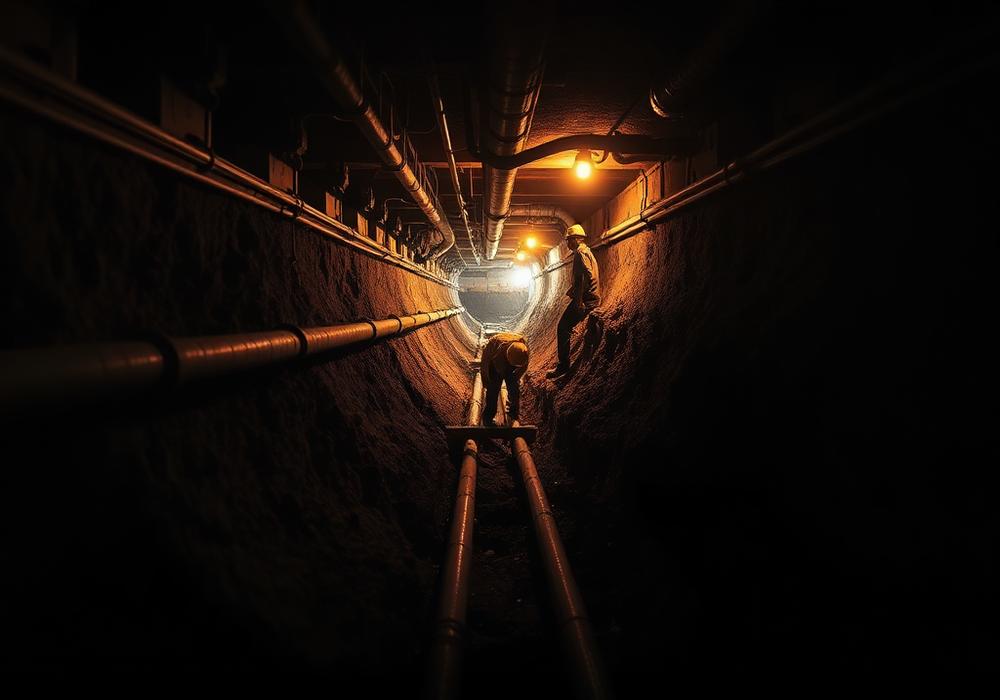
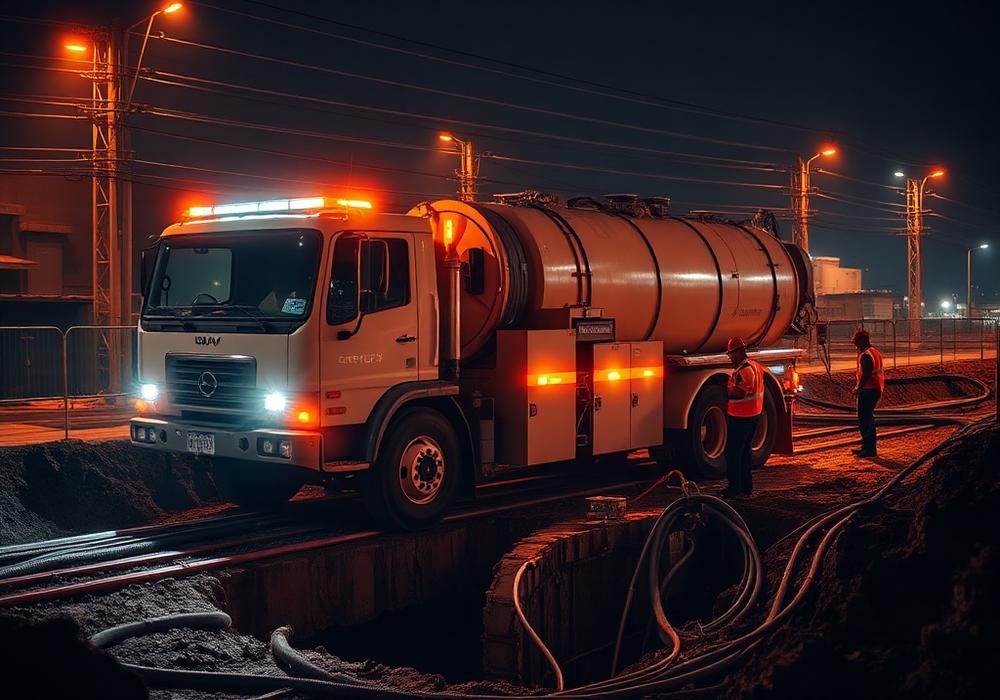
Vacuum excavation uses pressurized air or water plus a high-power vacuum to expose underground utilities without striking them. Traditional digging uses mechanical force, like a backhoe bucket, trencher, or shovel, to move bulk soil. Both have a place on a Dutchess County job site, but using the wrong one in the wrong spot is how projects go sideways.
Quick Comparison
- Safety near utilities. Vacuum is very high. Traditional is low.
- Speed for bulk earthwork. Vacuum is slow. Traditional is fast.
- Surface restoration cost. Vacuum is minimal. Traditional is significant.
- Strike risk on marked utilities. Vacuum is near zero. Traditional is real.
- Required by many utility owners inside the tolerance zone. Vacuum yes, traditional no.
When to Use Vacuum Excavation
- Potholing to verify utility depth before HDD or open-cut work.
- Daylighting at intersections crowded with gas, electric, and fiber.
- Exposing valve boxes, vaults, and service connections.
- Slot trenching for fiber drops with minimal lawn or pavement damage.
- Any work the utility owner requires inside the marked tolerance zone.
Need vacuum excavation in Dutchess County? Call T&A at (845) 803-9550 for a free, no-obligation quote.
Call NowWhen Traditional Digging Still Wins
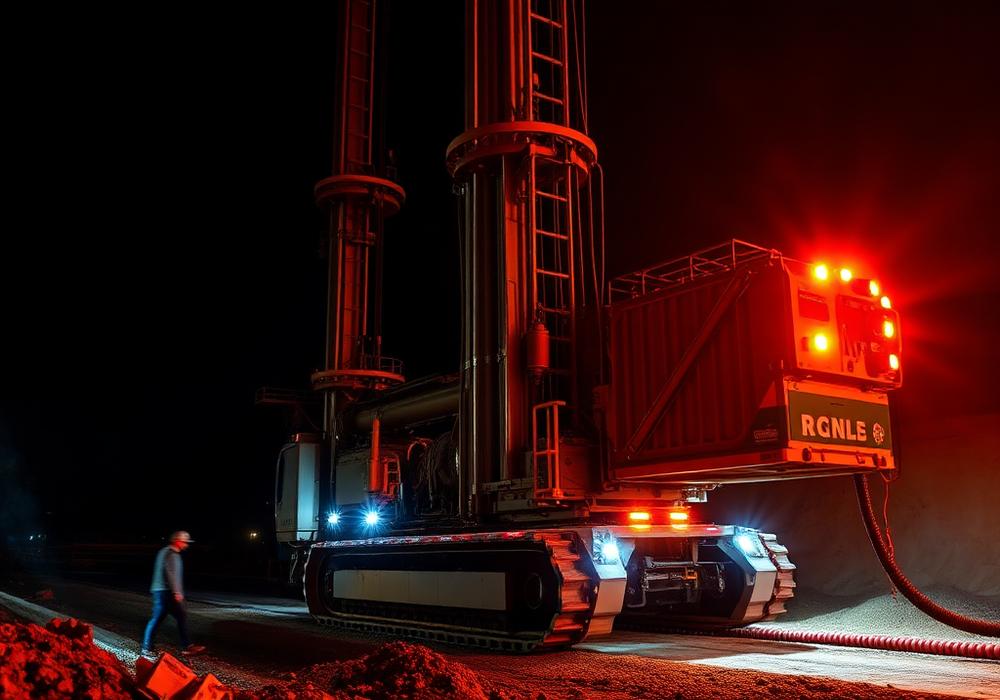
Vacuum trucks are precision tools, not bulk movers. For wide foundation excavation, deep utility trenching in clean rights-of-way, or bulk grading, a tracked excavator is faster and more cost-effective. The right answer on most job sites is both. Use vacuum excavation to find and protect the utilities, then use traditional equipment for the bulk of the dig.
The cheapest dig is the one that does not hit a line.
How to Decide
Ask three questions. How close are the marked utilities? How critical are those utilities? (Gas and high-voltage demand vacuum.) And what is the cost of a strike versus the cost of running a vacuum truck for a day? In almost every case where the answer to the first two is "close" and "critical," the vacuum truck pays for itself before lunch.
How T&A Builds the Plan
We walk the site with the locate marks, identify every conflict, and split the work. Vacuum where it has to be vacuum, mechanical where it can be mechanical. That hybrid approach is how we keep Pawling, Beacon, and Poughkeepsie projects on schedule without trading away safety.
Frequently Asked Questions
Is vacuum excavation more expensive than traditional digging?
Per cubic yard, yes. It is a precision tool. But on a project with utility conflicts, it almost always saves money by preventing strikes, fines, and restoration work.
Can vacuum excavation replace a backhoe entirely?
Rarely. Most projects use both: vacuum to expose and protect utilities, mechanical equipment for the bulk excavation.
Do I still need to call 811 if I am using vacuum excavation?
Yes. 811 locates are required by New York law regardless of dig method.
Written by the T&A Construction Team
Serving Pawling, NY and Dutchess County for over 7 years with vacuum excavation and full-service construction.